

Introduction:
In the realm of video games, few franchises have captivated both players and spectators quite like Mortal Kombat. Beyond its brutal gameplay and compelling storyline, the series has become renowned for its visually striking and diverse character costumes. From the franchise's debut in the early '90s to the most recent installments, Mortal Kombat has consistently pushed boundaries in costume design, evolving alongside gaming technology and captivating fans with its unforgettable visuals. This article delves into the intricate artistry and evolution of Mortal Kombat costumes, tracing the franchise's journey from pixelated pioneers to hyper-realistic warriors.
1. The Genesis of Gaming Fashion:
Back in 1992, when the original Mortal Kombat unleashed its cast of fighters onto arcades, the game set a new standard for graphical realism. The costumes, albeit consisting of simple digitized sprites, laid the foundation for the franchise's future fashion endeavors. Exploring the initial character designs, such as Scorpion and Sub-Zero, reveals how the creators ingeniously used color palettes and minimal details to convey a sense of distinctiveness and personality.
2. The Pixelated Titans of the 16-bit Era:
As the franchise made its way to home consoles, the 16-bit era introduced players to enhanced graphics and expanded color palettes, allowing for more detailed and visually compelling costumes. Mortal Kombat II, released in 1993, saw the iconic ninjas adopt more intricate designs, with Sub-Zero's ice-themed attire and Scorpion's fiery ensemble becoming instant fan favorites.
3. The Leap into the Third Dimension:
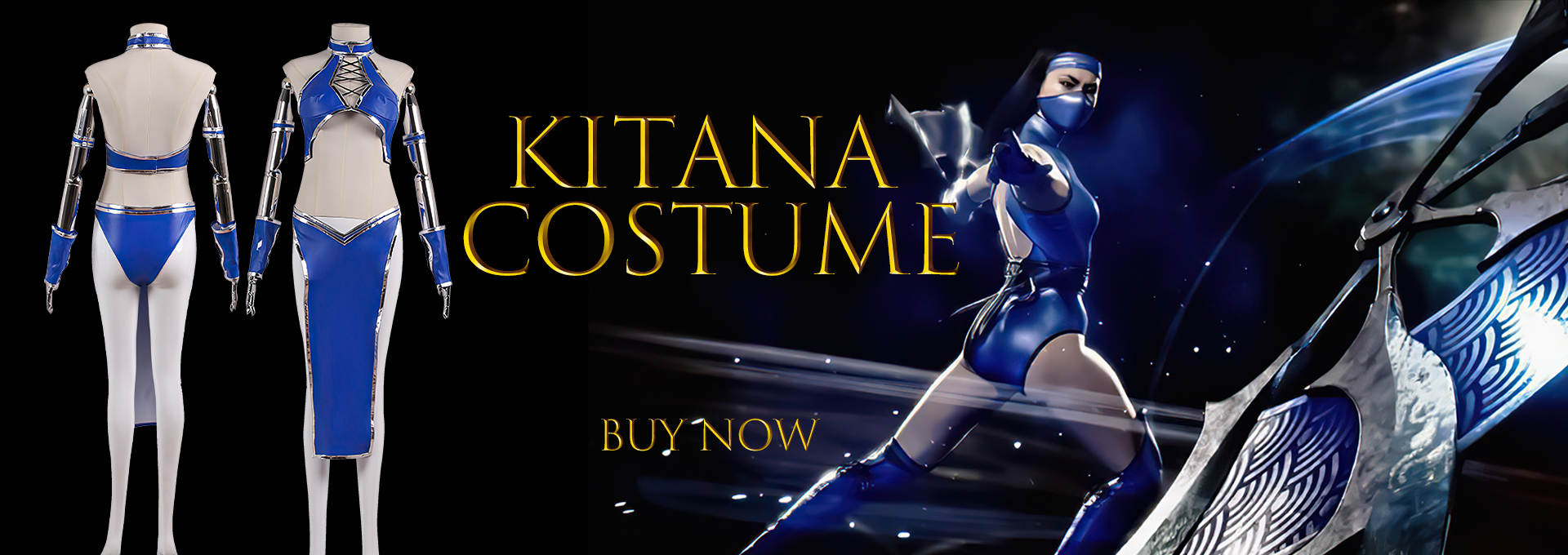
With Mortal Kombat transitioning into three-dimensional realms, the series adapted to new possibilities and challenges in costume design. The transition paved the way for more detailed textures, nuanced materials, and realistically rendered characters. Mortal Kombat 4 and the Deadly Alliance era introduced a level of intricacy that breathed life into the fighters, with costumes like Scorpion's detailed chainmail and Raiden's ornate armor enhancing their personas.
4. Evolution in Technological Triumphs:
As technology progressed, the franchise delved deeper into realism, pushing the boundaries of what was visually possible in a gaming environment. Mortal Kombat Costume . DC Universe showcased meticulously designed costumes, blending elements from both universes with intricate realism. The introduction of physics-based rendering techniques in Mortal Kombat X further elevated the impact of costumes, granting them a lifelike quality that resonated with players.
5. The Fusion of Fashion and Fantasy:
Mortal Kombat has consistently provided an exquisite balance between realistic designs and fantastical elements. Series entries such as Mortal Kombat 11 embraced this fusion, allowing the incorporation of supernatural elements into the fighters' costumes. From Noob Saibot's shadow-infused armor to Skarlet's blood-soaked garments, these surreal costumes accentuate the mystical attributes of the characters, enhancing gameplay immersion.
6. Representing a Global Kaleidoscope:
One of the franchise's strengths lies in its diverse roster of characters. Mortal Kombat embraces characters from various cultures, and their costumes reflect this amalgamation of traditions, clothing styles, and cultural aesthetics. From Liu Kang's traditional Chinese attire to Kotal Kahn's Aztec-inspired armor, the costumes in Mortal Kombat honor and celebrate the rich tapestry of global fashion.
7. The Power of Skins and Unlockables:
In recent iterations, Mortal Kombat introduced an array of unlockable skins, giving players the ability to customize their favorite characters. From reimagined classic outfits to outlandish alternate universes, these skins grant players the freedom to alter the fighters' appearances and explore artistic interpretations of established characters.
Conclusion:
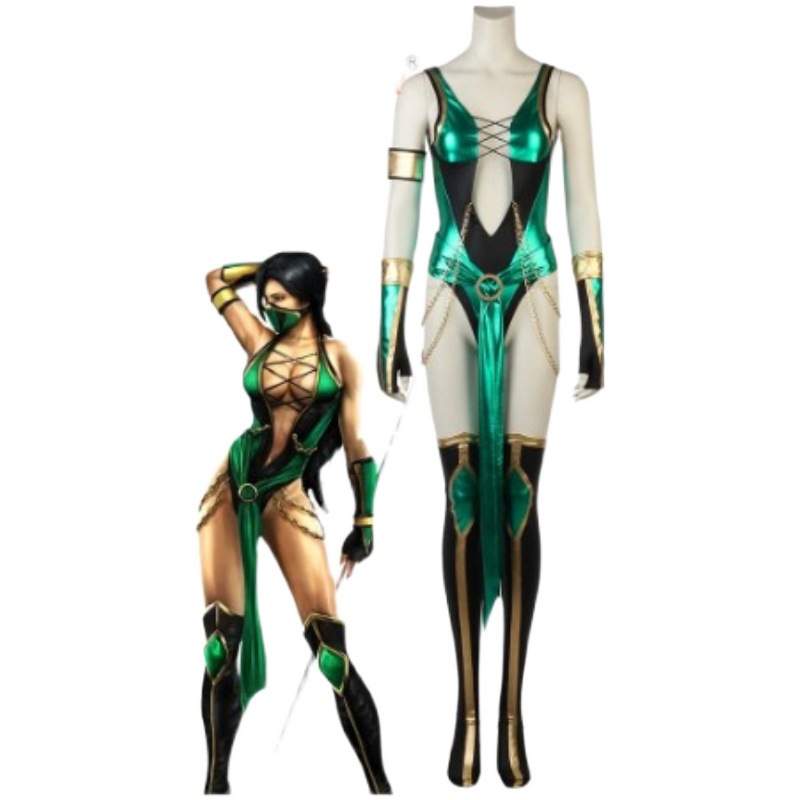
Mortal Kombat's costumes have played an integral role in captivating players' imaginations and creating a lasting visual legacy. From the humble beginnings of pixelated sprites to the hyper-realistic fighters of today, the franchise's costume design has evolved alongside advancements in gaming technology. Each new installment immerses players in a visual extravaganza, offering a tantalizing glimpse into the minds of the creative team behind Mortal Kombat's enduring artistry. As the series continues to push boundaries, one can only anticipate what groundbreaking costumes await us in the ever-expanding Mortal Kombat universe.